TEA TREE OIL
APPLICATION

The Versatile Essential Oil.
Practical applications with proven therapeutic benefits.
Antibacterial.
100% pure Australian tea tree oil, in neat and diluted
forms, is well established as a germ-fighter, effective
across a range of personal care needs. ˇ ˉ ˘ ☨ ☦︎

Acne.
Tea tree oil kills and inhibits Propionibacterium acnes, the acne-causing bacteria that infect the sebum glands. ˇ
5% tea tree oil gel has been demonstrated to reduce the amount and overall severity of acne, with no significant adverse effects.
5% tea tree oil gel was as effective as 5% benzoyl peroxide (a common acne medication) in reducing the number of inflamed and non-inflamed lesions, with fewer side effects. ˘
ˇ Carson C, Hammer KA, Riley TV. 2006. Melaleuca alternifolia (tea tree) oil: a review of antimicrobial and other medicinal properties. Clin Microbiol Rev 2006; 19: 50–62
¯ Enshaieh S et al. The efficacy of 5% topical tea tree oil gel in mild to moderate acne vulgaris: a randomized, double-blind placebo-controlled study. Indian J Dermatol Venereol Leprol 2007; 73: 22–25.
˘ Bassett I, Pannowitz D, Barnetson R. 1990. A comparative study of tea-tree oil versus benzoyl peroxide in the treatment of acne. Med J Aust 1990; 153: 455–458.

Antiseptic.
Tea tree oil can be used to treat and disinfect minor cuts and abrasions by
killing S. aureus and other bacteria that can cause infection in open wounds. ˇ
ˇ Carson C, Hammer KA, Riley TV. 2006. Melaleuca alternifolia (tea tree) oil: a review of
antimicrobial and other medicinal properties. Clin Microbiol Rev 2006; 19: 50–62
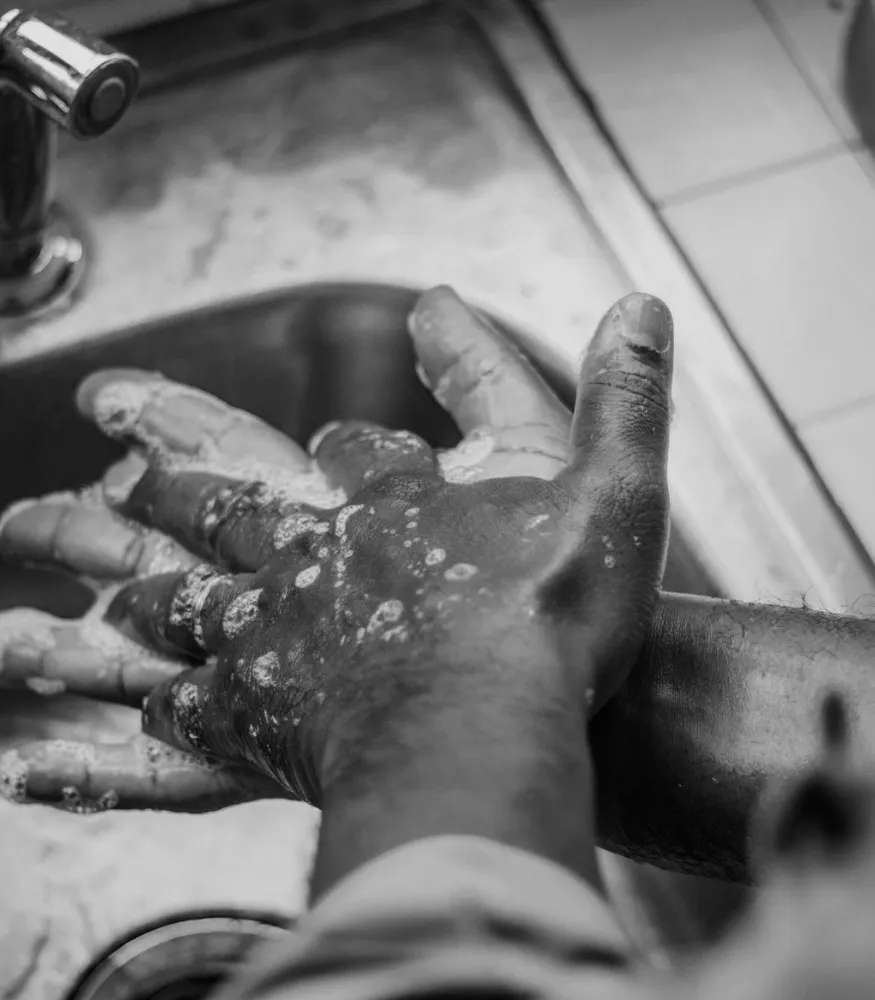
Hand Wash.
Tea tree oil makes an effective natural hand sanitiser as it kills several common
bacteria and viruses responsible for causing illness, including E. coli, S.
pneumoniae, and H. influenzae. ˇ
ˇ Carson C, Hammer KA, Riley TV. 2006. Melaleuca alternifolia (tea tree) oil: a review of
antimicrobial and other medicinal properties. Clin Microbiol Rev 2006; 19: 50–62
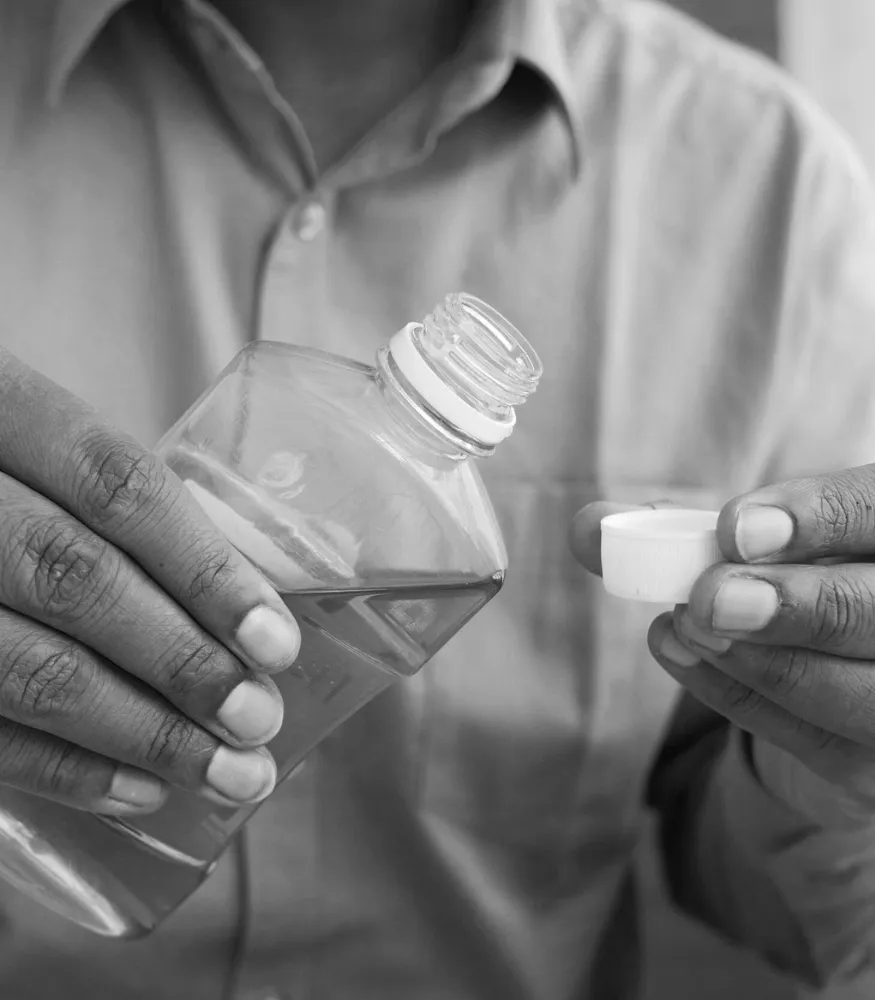
Oral Care.
Tea tree oil has proven efficacy against common oral pathogens such as S. aureus, E. Faecalis, E. coli and C. albicans, and has better antimicrobial performance than standard oral antiseptics. ☨ ☦︎
Pure Australian tea tree oil is a mainstay in many oral care products within the natural products industry. Products include toothpastes, mouthwashes, dental floss, toothpicks, gum gels, and breath fresheners.
Like other mouthwashes, tea tree oil should not be swallowed. It can be toxic if ingested.
☨ Thosar N et al. Antimicrobial efficacy of five essential oils against oral pathogens: An in vitro study. Eur J Dent 2013; 7(Suppl 1): S71–77.
☦︎ Karbach J et al. Antimicrobial effect of Australian antibacterial essential oils as alternative to
common antiseptic solutions against clinically relevant oral pathogens. Clin Lab 2015; 61(1-2): 61–68.
Antifungal.
100% pure Australian tea tree oil, in neat and diluted
forms, is a demonstrated agent for fungal infections of
the foot, nail, and scalp. ♰ ⚜︎ ⋂ ⋲ ⋉ ⋐
Onychomycosis (fungal nail).
Tea tree oil has been shown to be as effective against fungal nail infections as the antifungal medication clotrimazole, with fewer side effects. ♰
♰ Thosar N et al. Antimicrobial efficacy of five essential oils against oral pathogens: An in vitro study. Eur J Dent 2013;
7(Suppl 1): S71–77.
Tinea Pedis (athletes foot).
Studies suggest that tea tree oil may be an effective alternative to antifungal medications for relieving the symptoms of athlete’s foot. ⚜︎ ⋂ ⋲
⚜︎ Hammer K, Carson C, Riley T. In vitro activity of Melaleuca alternifolia (tea tree) oil against
dermatophytes and other filamentous fungi. J Antimicrob Chemother 2002; 50: 195–199.
⋂ Tong MM, Altman PM, Barnetson RS. Tea tree oil in the treatment of tinea pedis. Australas J Dermatol
1992; 33: 145–149.
⋲ Satchell AC et al. Treatment of interdigital tinea pedis with 25% and 50% tea tree oil solution: A
randomized, placebo controlled, blinded study. Australas J Dermatol 2002; 43: 175–178.

Anti-Dandruff Shampoo.
Tea tree oil has demonstrated antifungal activity against Malassezia species, which may be beneficial in the treatment of seborrhoeic dermatitis, which can lead to dandruff. ⋉
5% tea tree oil shampoo can improve dandruff severity, itchiness and greasiness. ⋐
⋉ Gupta AK, Nicol K, Batra R. Role of antifungal agents in the treatment of seborrheic dermatitis. Am J
Clin Dermatol 2004; 5(6): 417–422.
⋐ Satchell AC et al. Treatment of dandruff with 5% tea tree oil shampoo.
Anti-Inflammatory.
100% pure Australian tea tree oil, in neat and diluted forms, has a demonstrated anti-inflammatory effect on localised skin issues. ⋋ ⨅

Skin Inflammation.
Applying a tea tree oil mixture may help reduce the swelling, itchiness and inflammation
related to contact dermatitis or insect bites. ⋋
⋋ Finlay-Jones J et al. The anti-inflammatory and anti-itch properties of tea tree oil: In vivo studies.
Rural Industries Research and Development Corporation. June 2002.
⋋ Finlay-Jones J et al. The anti-inflammatory and anti-itch properties of tea tree oil: In vivo studies.
Rural Industries Research and Development Corporation. June 2002.
Demodex Blepharitis.
Tea tree oil (in a very diluted format) is commonly used to treat Demodex blepharitis, inflammation around the eyes and eyelids related to Demodex mites. ⨅
⨅ Savla K, Le JT, Pucker AD. Tea tree oil for Demodex blepharitis. Cochrane Database of Systematic
Reviews 2020; Issue 6. Art. No.: CD013333.
Antiviral.
100% pure Australian tea tree oil, in neat and diluted forms, is a demonstrated antiviral on common topical viral infections. ⨦ ⨰ ⩤
Cold Sores and Warts.
Tea tree oil has been reported to offer effective antiviral activity on Human Papilloma Virus (HPV) and Herpes Simplex Virus (HSV). ⨦ ⨰ ⩤
⨦ Schnitzler P, Schön K, Reichling J. Antiviral activity of Australian tea tree oil and eucalyptus oil
against herpes simplex virus in cell culture. Die Pharmazie 2001; 56: 343–347.
⨰ Millar BC, Moore JE. 2008. Successful topical treatment of hand warts in a paediatric patient with tea
tree oil (Melaleuca alternifolia). Complement Ther Clin Pract 2008; 14: 225–227.
⩤ Alsanad SM, Alkhamees OA. Tea Tree Oil (Melaleuca alternifolia) – an efficient treatment for warts:
two case reports. Int Arch BioMed Clin Res 2016; 2(4): 1–2.

‘Due to its broad range of applications, there is increasing consumer
demand for products containing 100% pure Australian tea tree oil.’
Rod Rose - ATTIA Treasurer